Science you can trust.
Mold Analyzer is grounded in peer-reviewed research led by microbiologists in collaboration with Micro-Pak®. Together, we established new scientific benchmarks for understanding and preventing mold growth on various surfaces during overseas shipping.
Understanding how mold
forms during shipping.
Specialized microbiologists at Chinook Contract Research Inc. (CCR), in collaboration with Micro-Pak®, conducted controlled simulations replicating overseas shipping environments to determine how different textile materials respond to mold exposure. The study tested six fungal species at varying inoculum densities to identify the minimum number of viable fungal cells required to cause visible mold growth. This research established measurable thresholds for predicting mold risk under real-world shipping conditions.

Real-world simulation.
To replicate true shipping environments, textiles were tested under two phases: one with added nutrients and one without. This dual approach modeled the differences between controlled and nutrient-limited conditions commonly found during global transit.
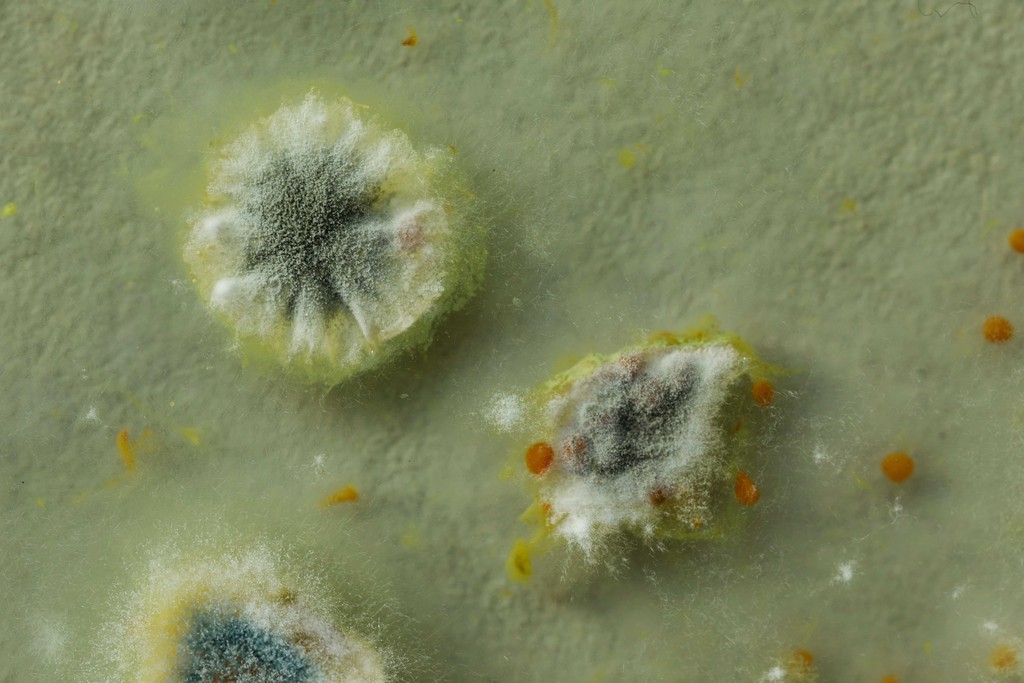
Most Invasive Strains
Aspergillus niger and mixed fungal cultures caused visible mold growth quickly, even at low inoculum densities.

Susceptible Textiles
Cotton and suede materials showed the highest vulnerability under simulated shipping conditions.
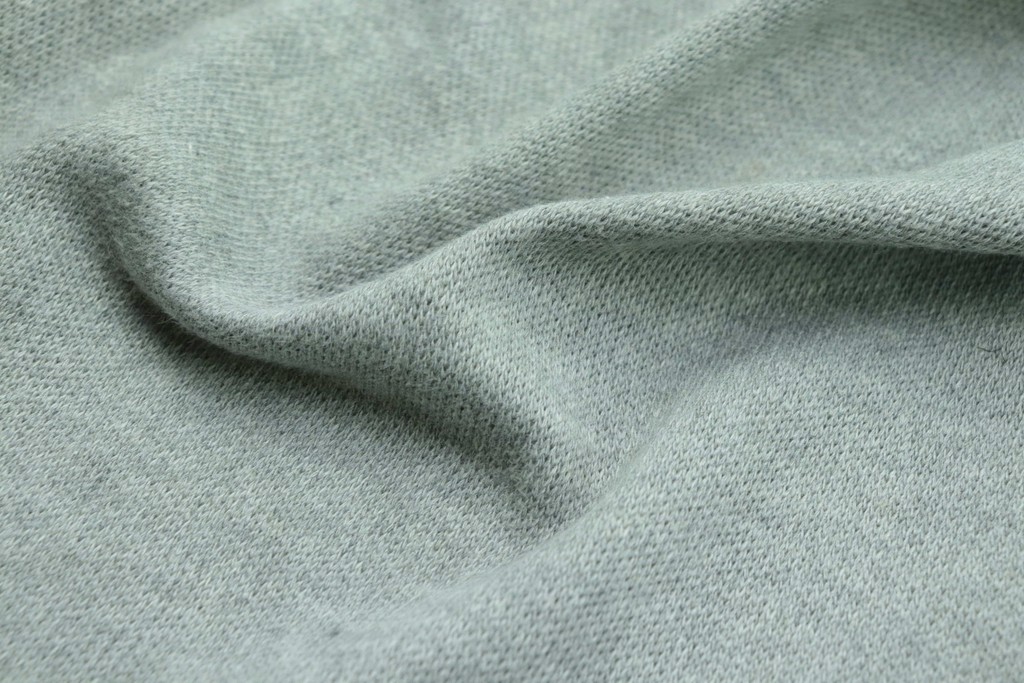
Resistant Materials
Polyester, nylon blends, and synthetics demonstrated stronger resistance to visible mold growth.

Applying the findings.
Predicting & preventing mold damage. Micro-Pak® uses these research findings to help manufacturers and shippers quantify mold risk and determine which textiles require added protection during transit.
These insights now guide best practices for predicting mold growth under varying temperature, humidity, storage, and handling conditions across the supply chain.
Ongoing research. Micro-Pak® continues to expand this work, studying how new materials, climate patterns, and environmental conditions influence mold activity.
These insights drive ongoing improvements to the Mold Analyzer platform and support Micro-Pak® continued commitment to innovation and sustainability in mold detection and prevention.