Genus Detection List
Mold Analyzer by Micro-Pak detects more mold species across more genera than any test in its class. Every detection is backed by calibrated imaging and scientific research developed with microbiology partners.
Broad-spectrum detection.
Backed by science.
56 species
across 23 genera
Mold Analyzer detects the following species, all supported by lab-verified calibration and analysis conducted with scientific partners.
For additional genus information and species-level detection limits, email info@micropak.com. Detailed level-of-detection (LOD) data is available on request for technical users. All molds except those marked with an “*” have been independently evaluated with the Mold Analyzer product by an AIHA-accredited laboratory (Assured Bio Labs in Oak Ridge TN). Disclaimer: The stated detection performance is based on molds grown on defined media and under specific conditions, assay performance may change when testing molds grown in different environments (i.e., the Mold Analyzer may detect more or fewer strains than listed on this datasheet). To determine specific mold strain, it is recommended that a test sample is sent to a third-party laboratory for evaluation.
Why broad coverage matters.
Most mold tests detect only a narrow panel of genera, which can lead to missed problems, especially in humid environments, facilities, textiles, or multi-location warehouse settings. Mold Analyzer’s broad-spectrum detection does more than any comparable test.




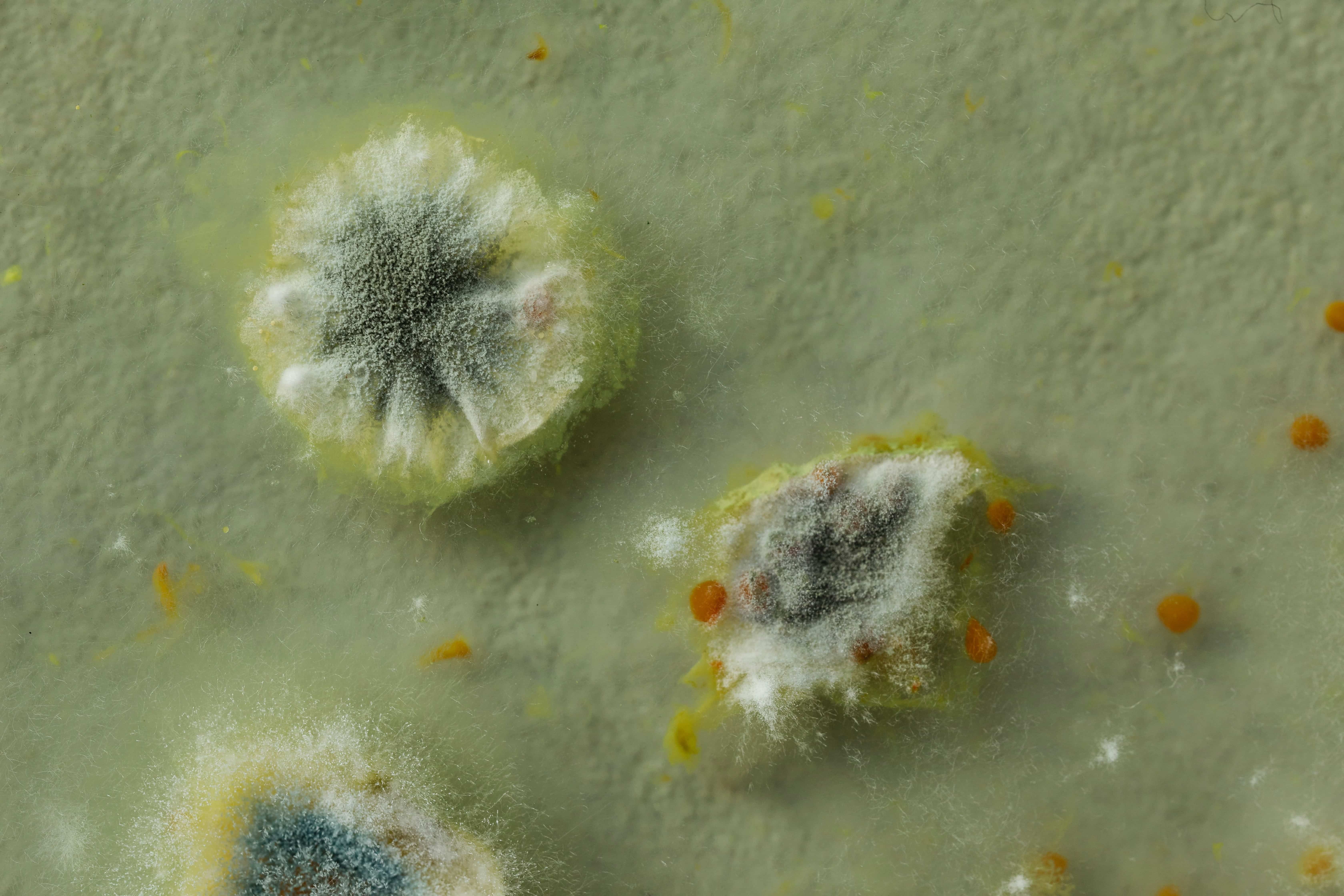
Understanding mold genera most commonly encountered in homes, warehouses, textiles, and logistics environments helps explain why detection breadth matters.
Aspergillus
Common in humid storage and shipping environments. Known for textile contamination.
Penicillium
Thrives in cool areas. Often found in packaging, wood, and low-humidity storage.
Alternaria
Occurs on organic and plant-based materials. Visible as dark surface spotting.
Chaetomium
Linked to cardboard and paper packaging. Often associated with moisture exposure.
Stachybotrys
Black mold found in persistently wet environments. Known for strong surface staining.
Eurotium
A xerophilic genus found in heated storage areas and packaging materials, often indicating low-moisture contamination.
Cladosporium
Frequent on fabrics and soft goods. Appears as olive-green spotting in cool conditions.
Cladophialophora
Observed in wood and packaging. Used as a reference genus in contamination studies.
Mucor
Fast-growing genus seen in soil and humid storage areas.
Trichoderma
Bright green pigmentation. Rapid spore production. Indicates high moisture levels.
Expanded genus detection gives better visibility into contamination origin, environmental risk, and prevention decisions.
With broader detection, results become more actionable. Teams can move faster, prevent spread, and protect products and people at every step.